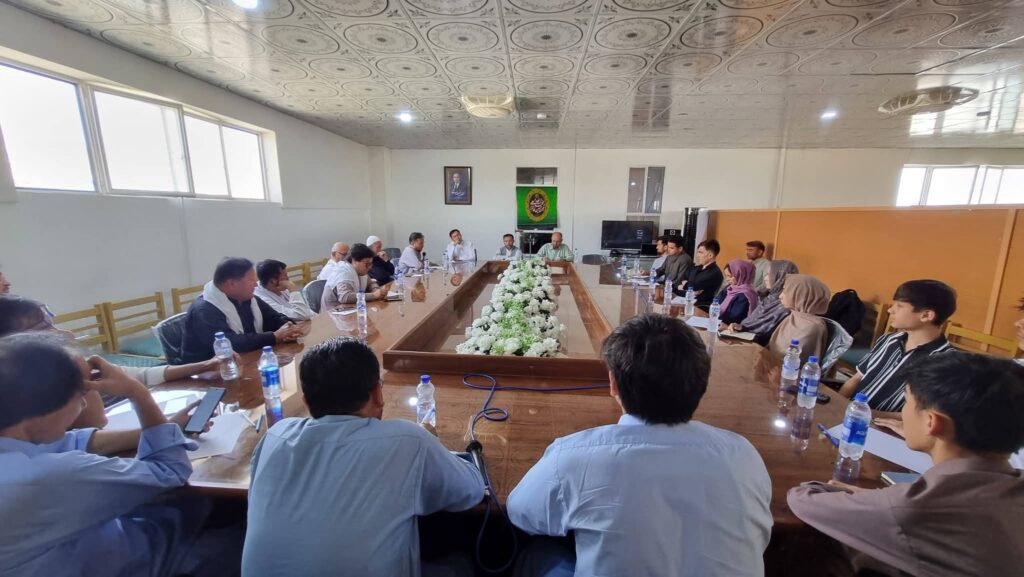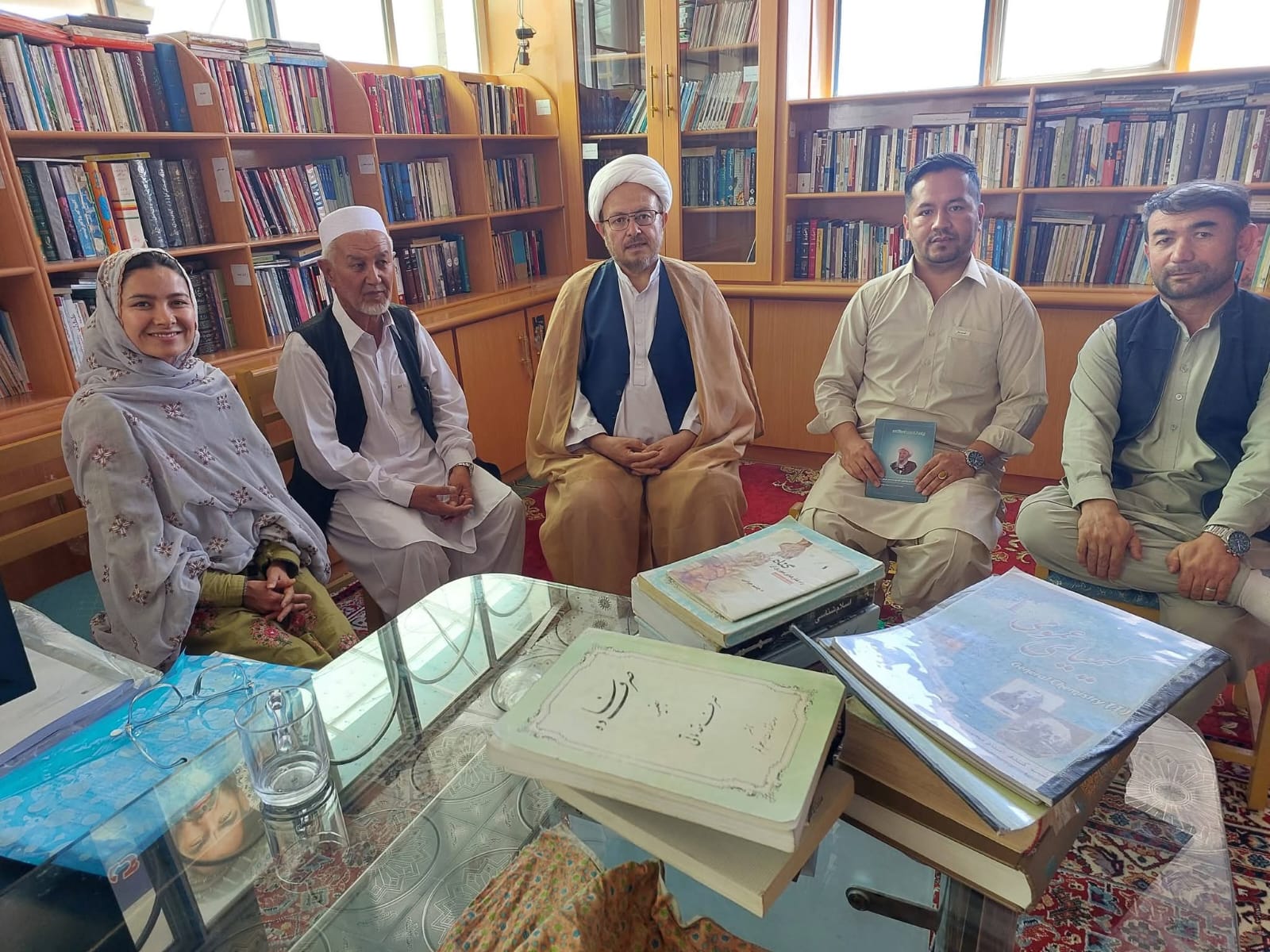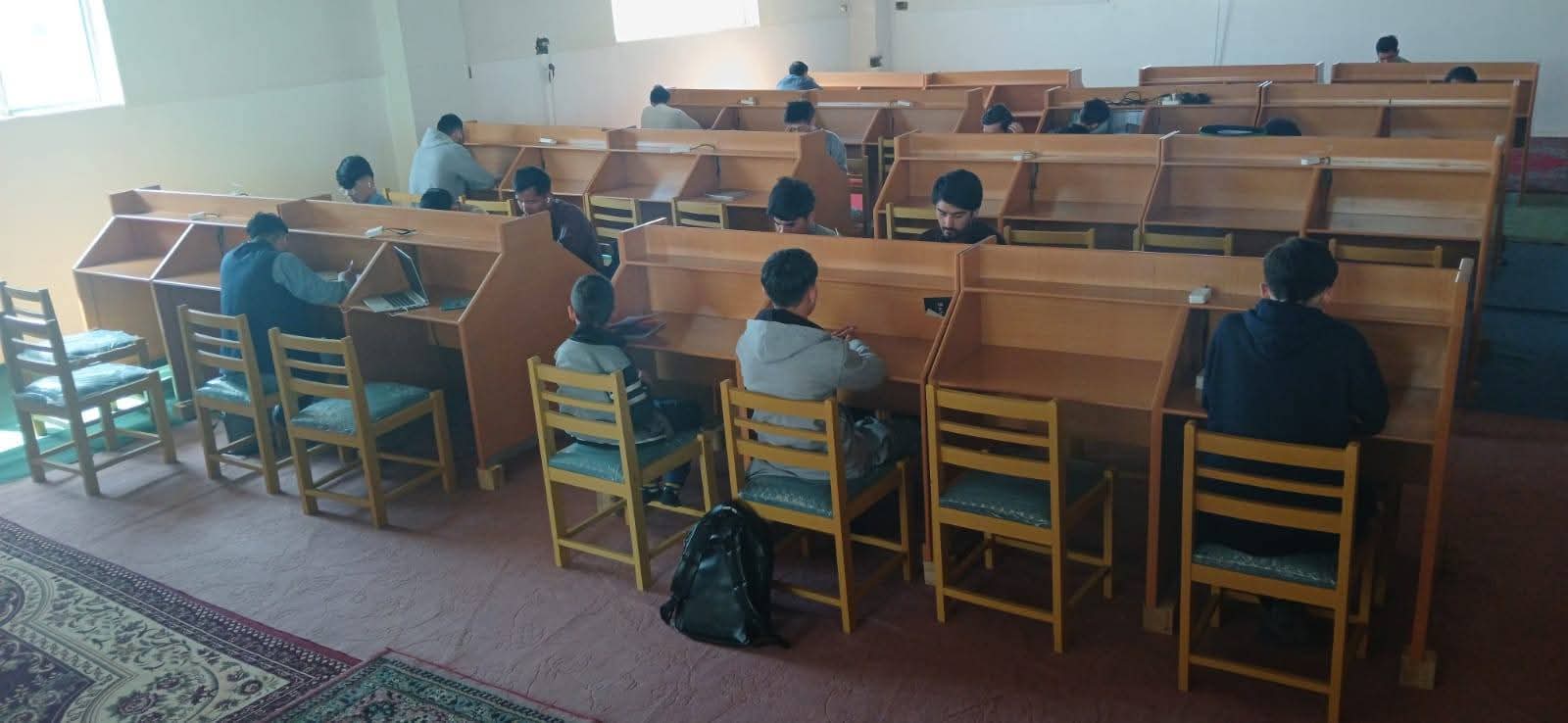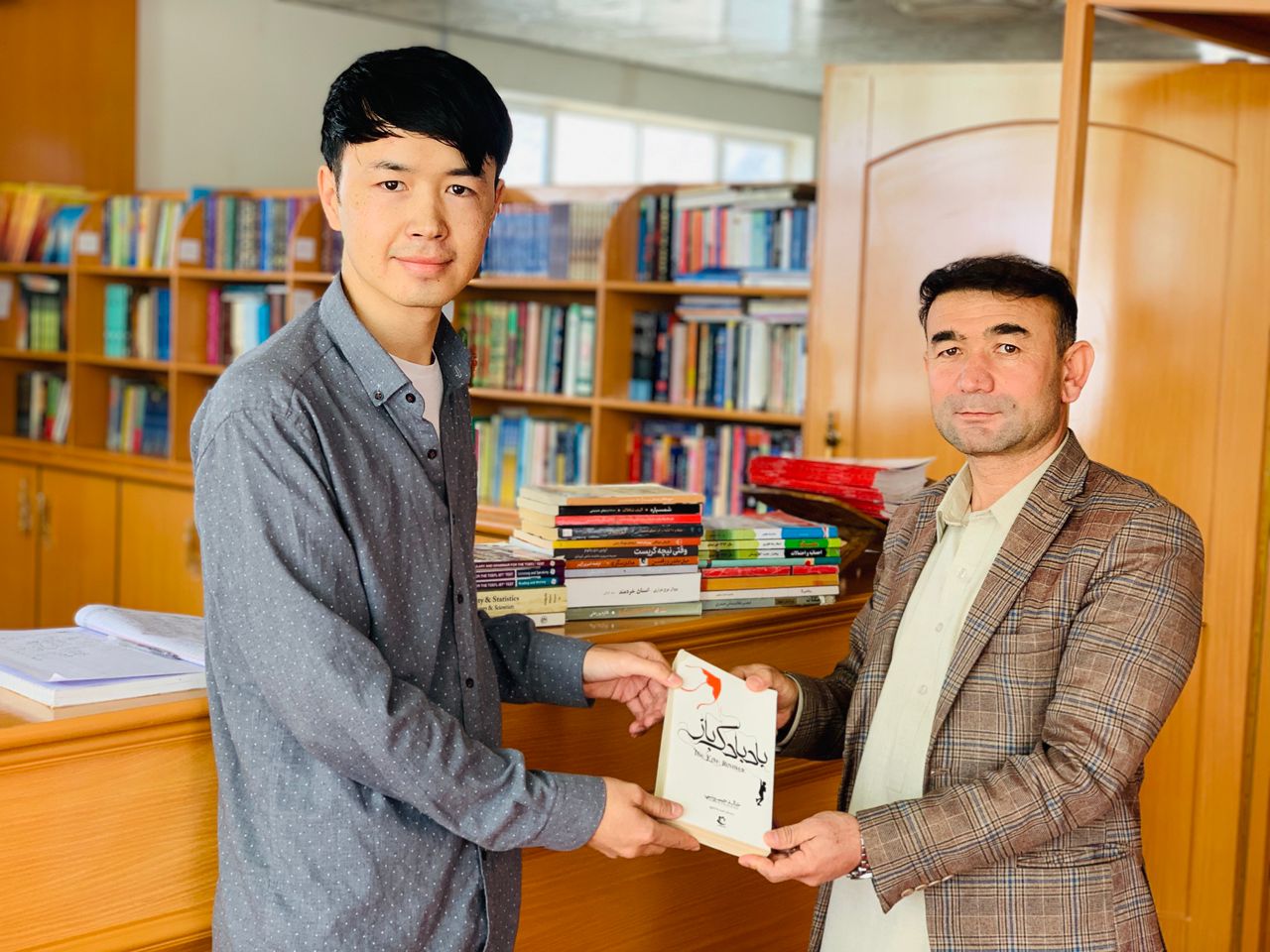
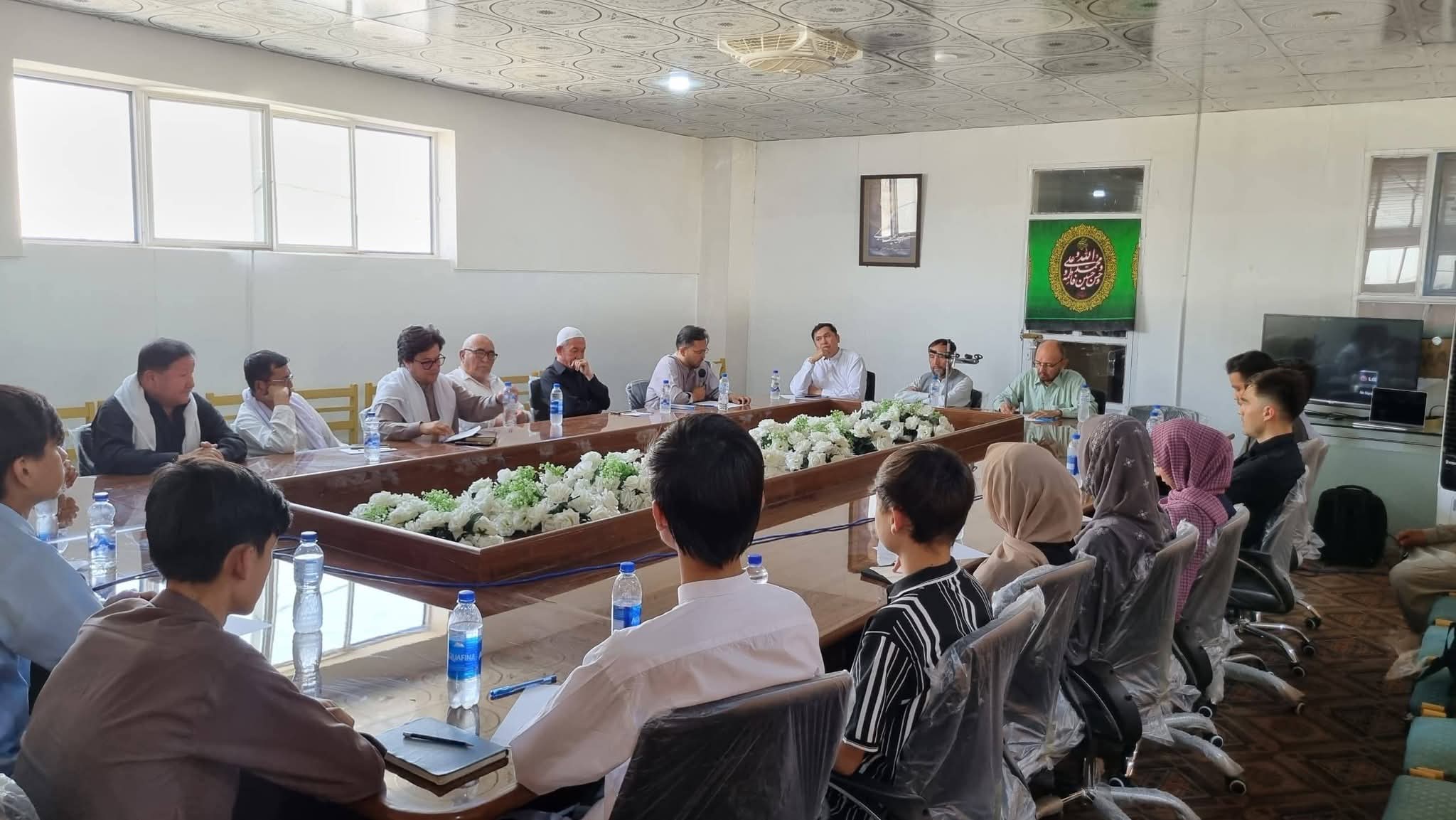
.نشست علمی «عاشورا و خودآگاهی تاریخی» با حضور جمعی از فرهیختگان، دانشجویان و علاقهمندان، در کتابخانه عمومی شهید بابه مزاری (ره) برگزار گردید
در این نشست، آقای محمود حکیمی (روزنامهنگار و فعال فرهنگی)، استاد علیزاده (جامعهشناس و استاد دانشگاه) و آقای ولی فرهت (کارشناس آموزش)، به بررسی ابعاد مختلف این موضوع از منظر تاریخی، اجتماعی و آموزشی پرداختند
در بخشهای مختلف این برنامه، «خودآگاهی تاریخی» بهعنوان یک عنصر اساسی در شکلگیری هویت جمعی مورد تأکید قرار گرفت؛ به این معنا که شناخت تاریخ، زمانی ارزشمند است که به فهم، انتخاب آگاهانه و جهتدهی به آینده منجر شود. در غیر این صورت، جامعه در معرض تکرار خطاهای گذشته قرار خواهد گرفت
همچنین در تحلیل واقعه عاشورا، این نکته برجسته شد که عاشورا صرفاً یک حادثه تاریخی نیست، بلکه یک «منطق زنده» در تاریخ است؛ منطقی مبتنی بر آگاهی، مسئولیتپذیری و ایستادگی در برابر انحراف.
در جمعبندی مباحث، بر این نکته تأکید گردید که چالش اصلی امروز، نه کمبود دانستن، بلکه فاصله میان «دانستن»، «فهمیدن» و «عمل کردن» است. به بیان دیگر، عاشورا زمانی میتواند به خودآگاهی تاریخی تبدیل شود که از سطح روایت و احساس، به سطح فهم عمیق و مسئولیت اجتماعی ارتقا یابد.
کارشناسان همچنین هشدار دادند که اگر عاشورا به سطح احساسات تقلیل یابد و از تحلیل و درک عمیق فاصله بگیرد، ممکن است کارکرد آگاهیبخش خود را از دست داده و به یک عادت فرهنگی بیاثر تبدیل شود.
این نشست با هدف بازخوانی عمیقتر عاشورا و پیوند آن با مسائل امروز جامعه برگزار شد و تلاش داشت تا مخاطبان را از «تکرار» بهسوی «فهم» و از «فهم» بهسوی «تغییر» سوق دهد.
:پرسش محوری که در پایان نشست مطرح شد
آیا ما صرفاً وارثان یک حادثه هستیم، یا مسئولان یک پیام؟
زمان: 21 جون 2026
مکان: کتابخانه عمومی شهید بابه مزاری (ره)
Scholarly Seminar: “Ashura and Historical Consciousness”
A scholarly seminar titled “Ashura and Historical Consciousness” was held at the Shahid Babe Mazari Public Library, bringing together intellectuals, students, and community members. Mahmoud Hakimi (journalist), Professor Alizadeh (sociologist), and Wali Farhat (education specialist) examined this subject from historical, social, and educational perspectives.
Throughout the program, “historical consciousness” was emphasized as essential to collective identity formation—meaningful only when it leads to understanding, conscious choice, and future direction. Without this engagement, societies repeat past mistakes.
Scholars highlighted that Ashura is not merely a historical event, but a “living logic” grounded in awareness, responsibility, and resistance against injustice.
The central challenge identified was not lack of knowledge, but the gap between “knowing,” “understanding,” and “acting.” Ashura becomes genuine historical consciousness only when it rises from emotion to deep understanding and social responsibility.
Scholars warned that if Ashura is reduced to mere sentiment, separated from critical analysis, it loses its transformative power and becomes ineffective cultural habit.
The Central Question:
Are we merely inheritors of a historical event, or bearers of a living message with responsibility for its realization?
Date: June 21, 2026
Location: Shahid Babe Mazari Public Library
Theme: Historical consciousness, Ashura, and contemporary responsibility